
Buying a property on the Costa del Sol

The buying process

Purchasing property in Spain follows a structured process that protects all parties.
Understanding it in advance allows you to act with confidence and avoid surprises.

1. Define your budget and search for a property

Set a realistic budget that includes taxes and purchase costs (approximately 10 – 14% on top of the purchase price). Work with a local estate agent experienced with international buyers. Visit properties in person, or via virtual tour for off plan developments.
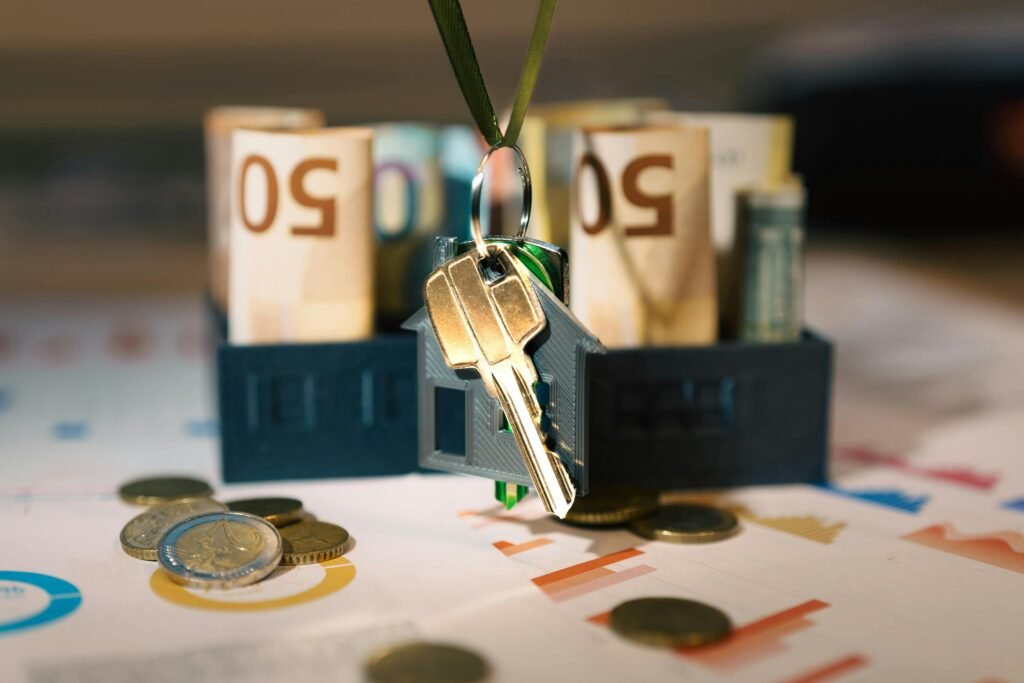
Keys hanging with money and charts, symbolizing real estate investment and financial planning.
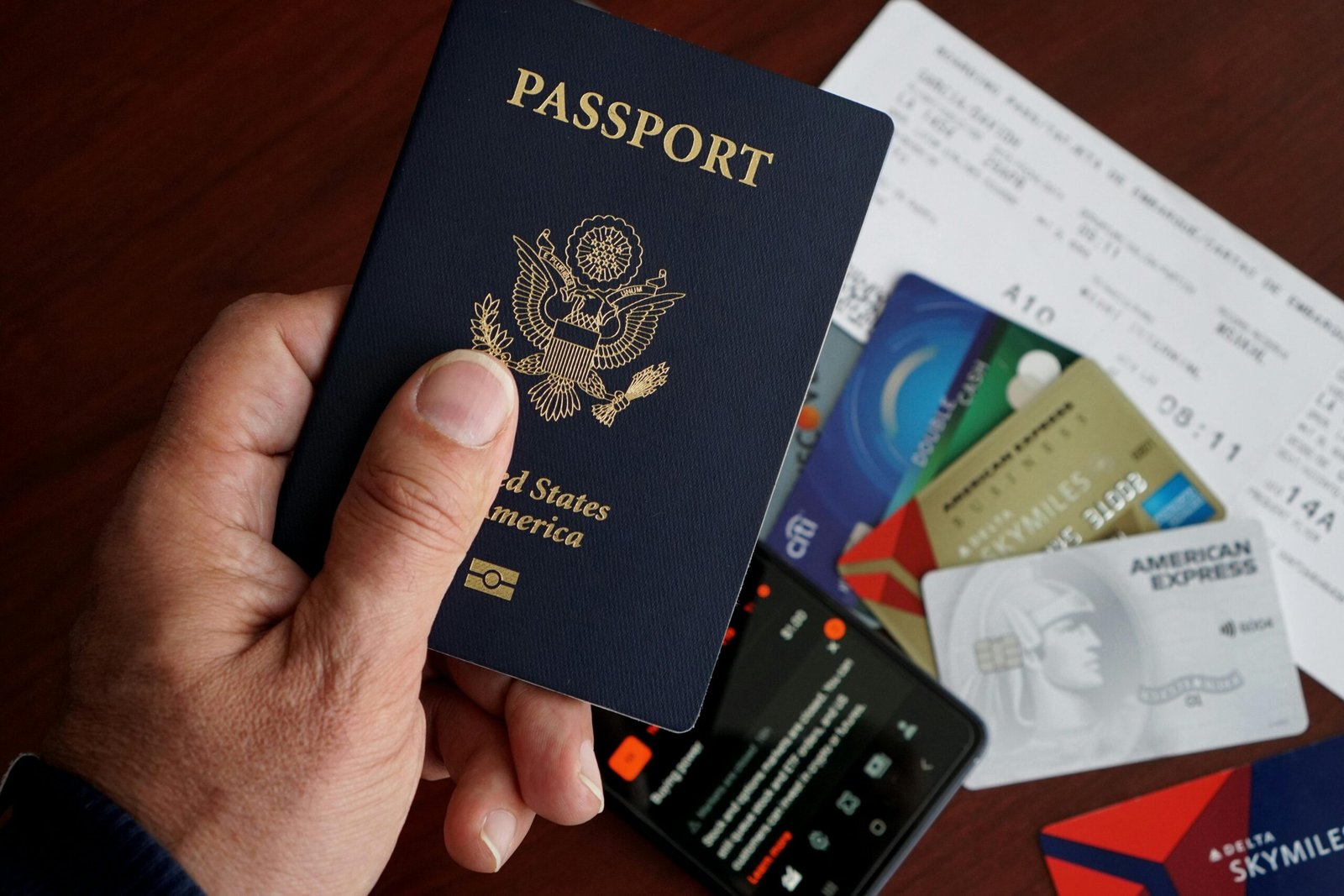
A close-up of a US passport with credit cards, tickets, and a mobile phone on a table.

2. Obtain your NIE (Foreigner Identifcation Number)

Mandatory for any non-resident buyer. Apply at a Spanish Police Station or the Spanish Consulate in your home country. Processing takes 1 to 4 weeks. Without a NIE, you cannot sign the deed or open a Spanish bank account.

3. Open a Spanish bank account

Not legally required, but highly recommended to manage payments, set up direct debits for taxes and receive mortgage funds. Many banks on the Costa del Sol offer services in English, German and other languages


A professional meeting with a lawyer consulting clients in an upscale office environment.
Close-up of contract papers with Scrabble tiles spelling 'CONTRACT'.

4. Reservation contract (Arras)

The buyer signs a preliminary contract (contrato de arras) and pays a deposit — typically 10% of the purchase price. If the buyer withdraws, the deposit is forfeited. If the seller withdraws, they must return double the deposit.

5. Legal and technical due diligence

Your lawyer will check: outstanding mortgages, Land Registry records, building licences, habitation certificate, community fees owed and unpaid local taxes (IBI). For new builds: always verify the First Occupation Licence (licencia de primera ocupación).
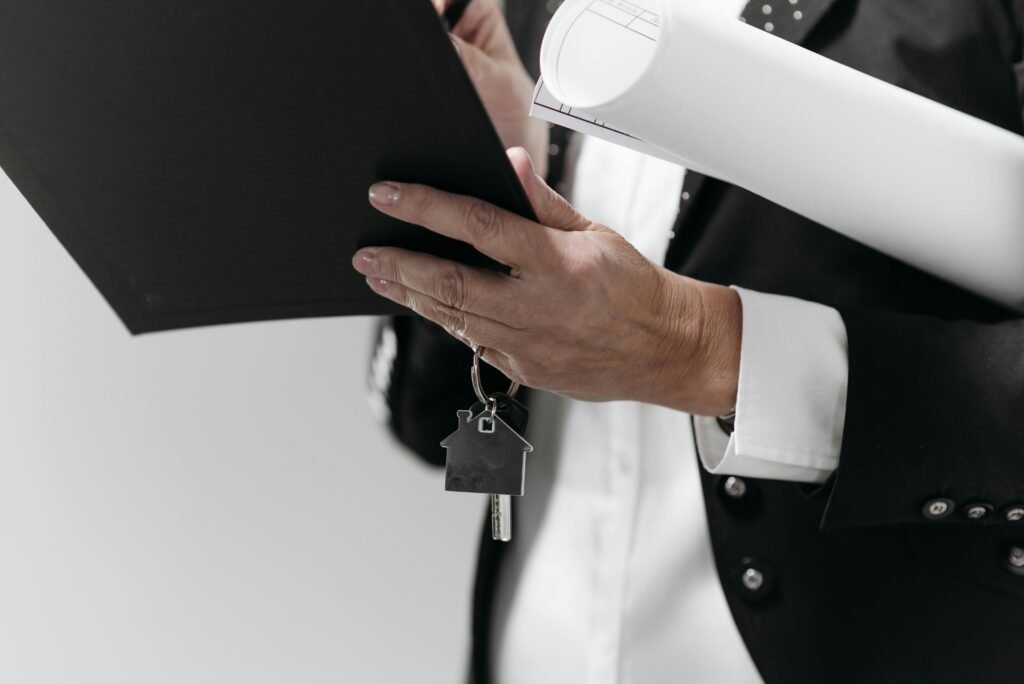

Close-up of a business professional holding a house key and architectural plans, symbolizing real estate.
Close-up of a woman signing a document at a sleek reception counter, indoor setting.

6. Signing the deed before a Notary

Both parties sign the public deed of sale (escritura pública) before a Notary. The outstanding balance is paid by certified bank cheque or bank transfer. The Notary certifies the transaction as a public official.

7. Tax payment and Land Registry registration

In the days following signing, your lawyer or gestor will settle the applicable axes (ITP for resale, VAT+AJD for new builds) and register the property in your name at the Land Registry (Registro de la Propiedad)
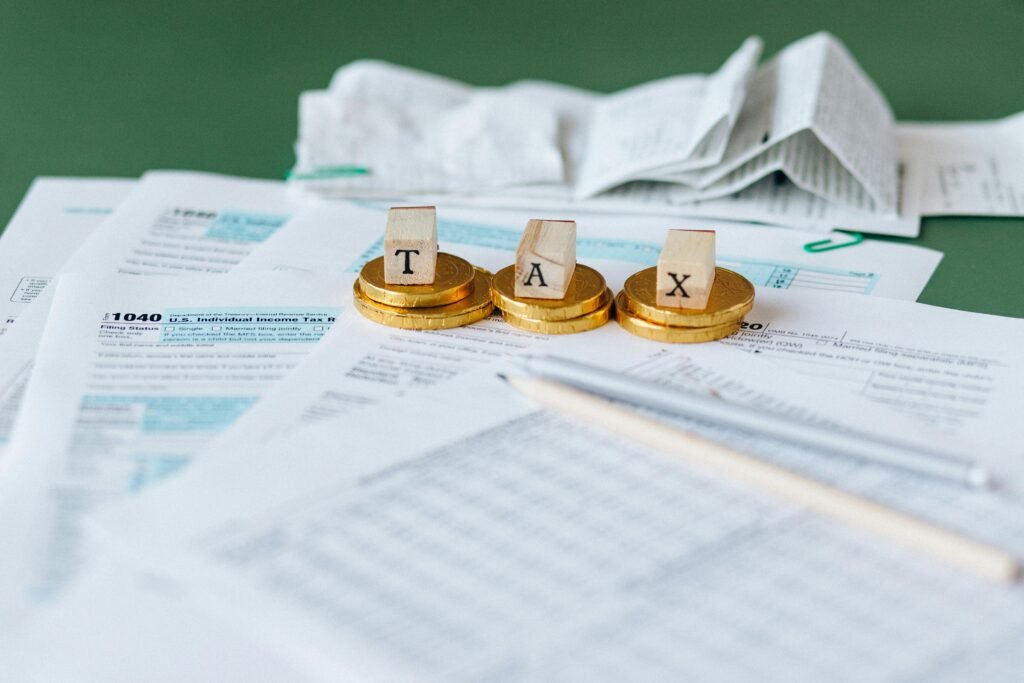

Close-up of tax forms, receipts, and coins symbolizing financial accounting and taxes.

Requirements by buyer profile

Purchasing property in Spain follows a structured process that protects all parties.
Understanding it in advance allows you to act with confidence and avoid surprises.

spain, flag, banner, europe, national colours Spanish Buyer

Spanish nationals with residence in Spain

Basic documentation: Valid Spanish National ID (DNI) / NIF (same number as DNI) / Proof of financing (if applicable)
Tax considerations: ITP (transfer tax): 7% in Andalusia — New builds: 10% VAT + 1.2% Stamp Duty (AJD)

EU /EEA Buyer

Citizens of EU member states plus Iceland, Liechtenstein and Norway have the same rights as Spanish nationals to purchase property

Basic documentation: Passport or national ID card / NIE (mandatory for signing) / EU Citizen Registration Certificate (if resident in Spain)
Tax considerations: ITP 7% or VAT+AJD (same as Spanish buyers) – Non-residents: 3% withholding on future sale price (paid by seller)
Recommendation: Appointing a fiscal representative in Spain simplifies compliance and avoids surcharges.

Non – EU Buyer

Citizens of countries outside the EU/EEA (UK post-Brexit, USA, Switzerland, Middle East, etc.) can purchase freely, though with additional requirements.

Basic documentation: Valid passport / NIE (mandatory) / Declaration of source of funds (anti-money laundering) / Bank certificate confirming available funds
Tax considerations: ITP 7% or VAT+AJD (same as all buyers) / IRNR: 24% (general non-EU rate) / Imputed income: 1.1% or 2% of cadastral value × 24% annually 3% withholding on future sale price /
Mandatory: Appointment of a fiscal representative in Spain. Annual Modelo 210 filing required
Recommendation: Visa (check current legislative status before applying).

Documentation checklist

Having all documentation ready from the outset speeds up the process and avoids
delays at the signing stage.

Property documents

Land Registry extract
Seller’s title deed
Latest local property tax) receipt
Community fees certificate (no outstanding debts)
Habitation certificate (cédula de habitabilidad)
Energy Performance Certificate (mandatory)
Building plans and licences (new builds)
First Occupation Licence

Buyer documents

Valid national ID or passport
NIE (non-Spanish buyers)
Proof of address
Bank statements (last 3–6 months)
Source of funds declaration
Employment or business
documentation (for mortgage)
Spanish bank account details

Specific new builds

Developer’s purchase contract
Bank guarantee or insurance
covering stage payments
Quality specifications and floor
plans
Community statutes (if already
drafted)
10-year structural warranty (garantía
decenal)
Municipal building licence

Mortgage purchases

FEIN: European Standardised
Information Sheet
FIAE: Standardised Warning Sheet
Pre-signing Notary visit (free
mandatory advisory)
Notarial advisory certificate
Official property valuation
(tasación)

Documentation checklist

Having all documentation ready from the outset speeds up the process and avoids
delays at the signing stage.

Property documents

Land Registry extract
Seller’s title deed
List item
List item

Buyer documents

List item
List item
List item

Specific new builds

List item
List item
List item

Mortgage purchases

List item
List item
List item

Scroll to Top